

North Carolina Public Policy Lawyers
Table of Contents
A pending bill, proposed agency rule, licensing dispute, public-records issue, or local government decision can put your business or organization in a difficult position. State and local government action may shape what you can do next, when you can act, and what risks you need to address first.
The question is not whether to respond. The question is which lever to pull, which forum matters most, and what kind of North Carolina public policy lawyer you need.
Choosing the wrong path can cost more than time. Starting lobbying activity before the required registration is filed can create compliance exposure before the advocacy work moves forward. Submitting comments outside the required rulemaking period can weaken the record you may need later. Missing a contested case filing deadline under the North Carolina Administrative Procedure Act can cut off an important route for challenging agency action.
At Leitner, Bragg & Griffin, our attorneys handle public policy matters across legislative advocacy, administrative practice, government relations, local government counsel, and public-sector disputes. We work from offices serving Monroe, Charlotte, Raleigh, and the surrounding areas. Our firm represents North Carolina business owners, regulated companies, trade associations, elected officials, public bodies, and organizations that need clear legal guidance when government action affects their work.
Why North Carolina Clients Choose Leitner, Bragg & Griffin
Leitner, Bragg & Griffin is a North Carolina law firm serving Monroe, Charlotte, Raleigh, and the surrounding areas. Our practice includes civil litigation, criminal defense, family law, estate planning, government relations, and local government matters.
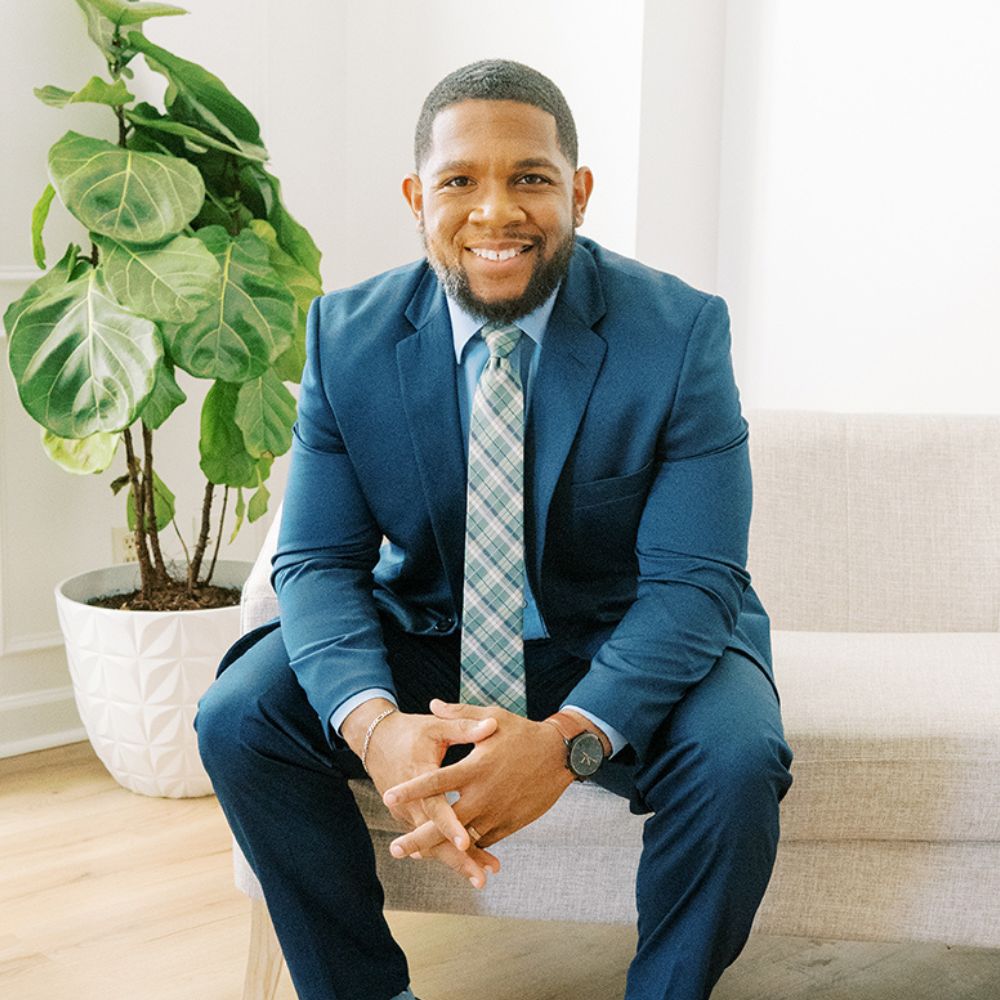
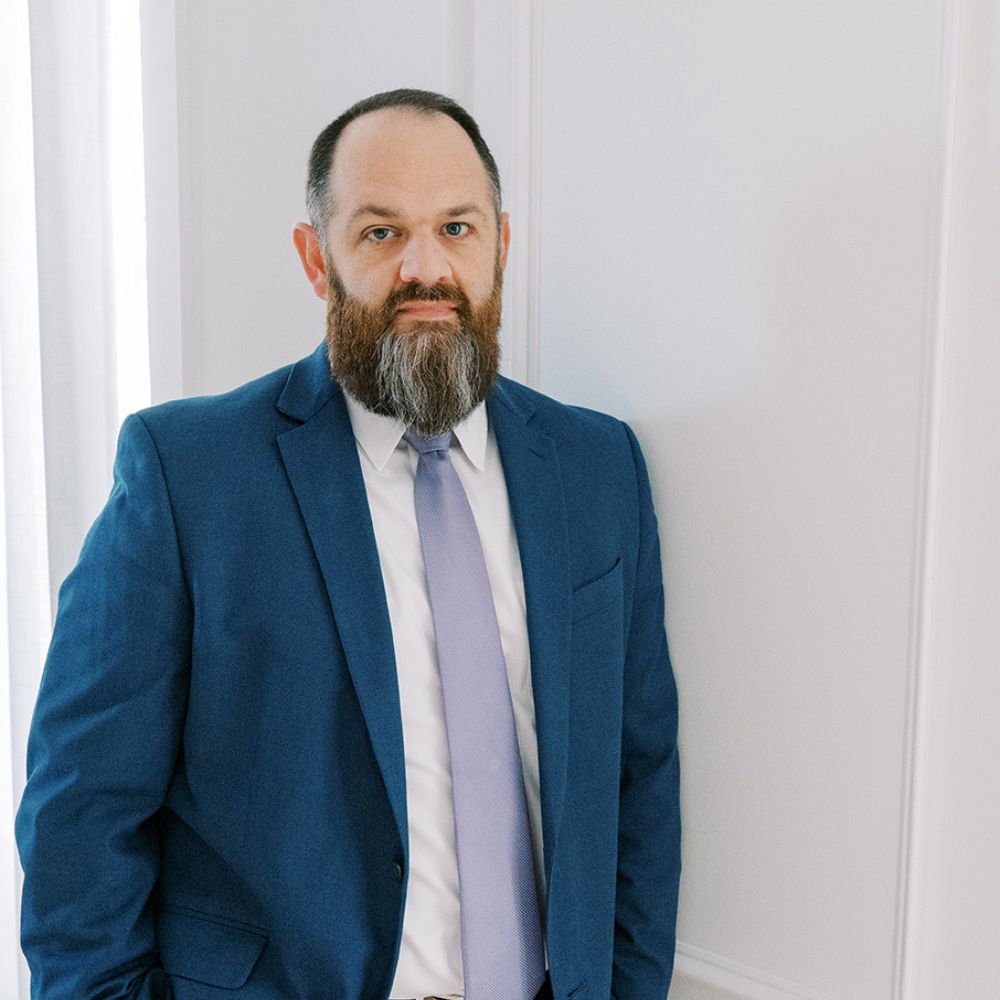
Our managing partners, Tee Leitner, Ellie Bragg, and Jordan Griffin, each grew up in Union County and returned home to practice. That local foundation, paired with our broader North Carolina presence, allows us to handle public policy work alongside the civil, criminal, family, and estate matters people and businesses may also bring through the door.
We understand that public policy matters often affect more than one legal issue. A business owner facing a regulatory problem may also need litigation guidance. A public official may need advice on open meetings, ethics, and related civil exposure. A family-owned company may need counsel that understands both the immediate dispute and the long-term business concern.
Our role is to help you understand the forum, the process, the deadline, and the legal path forward.
Local Roots With a Broader North Carolina Presence
Leitner, Bragg & Griffin has deep roots in Union County and serves people and organizations across the Greater Charlotte area, Monroe, Raleigh, and surrounding communities.
The firm formally consolidated as Leitner, Bragg & Griffin in 2021 and has grown from its Monroe foundation into a multi-office North Carolina practice. Our Raleigh presence is relevant for matters involving the North Carolina General Assembly, the Office of Administrative Hearings, and executive agencies that handle public policy work.
We help people and organizations connect those dots before one issue becomes several.
Our Public Policy Lawyers

Client Testimonials
“Hands down this law firm is the complete package. Each attorney is skilled in their own area of law and when matters cross into another attorney’s expertise, they are quick to team up for the best strategy for their clients. I could not have been more satisfied working with Jordan and Tee. When things got tough, these two never lost control and provided me a reasonable outcome and then they delivered. If you need a humble, but strong attorney for a matter, this is the only option in Monroe if you want the best. I highly recommend this firm for any civil or criminal needs.” — J.T.
“Everyone at this law firm are knowledgeable, caring, and genuine people. I would suggest this over any law firm in Monroe. Very timely and efficient approach to doing business.” — D.C.
“This group of lawyers are great, easy to deal with but even easier to talk to and understand. Tee is a great guy who will do anything to help and guide you. And my experience with Jordan, was hands down the easiest…EVER. They both explained my case very well and even told me ways to save me money I would have been paying them. There was a great line of communication when needed. Like I told Jordan after my case ‘I hope I never need you again, but if I do I’m calling Leitner, Bragg & Griffin’, hands down.” — J.M.
What Is a Public Policy Lawyer in North Carolina?
A public policy lawyer represents people, businesses, associations, and public bodies whose interests intersect with government action. In North Carolina, this work can involve the General Assembly, executive-branch agencies, local governments, boards, commissions, and administrative tribunals.
Public policy law is not one narrow practice area. It can include:
- Legislative advocacy at the North Carolina General Assembly.
- Regulatory and administrative practice.
- Lobbying compliance.
- Public-records and open-meetings matters.
- Local government counsel.
- Public-sector litigation.
- Constitutional and public law disputes.
- Ethics, campaign-finance, and ballot-access issues.
A public policy attorney is not just a lobbyist and not just a courtroom lawyer. The role often combines statutory analysis, administrative procedure, strategic government engagement, and litigation judgment.
The forum may change from matter to matter. One week, the issue may involve a committee room at the Legislative Building. The next, it may involve a contested case hearing before the Office of Administrative Hearings. The week after that, the issue may move to a county commission meeting, city council meeting, or superior court.
Public Policy Law vs. Lobbying vs. Government Relations

Public policy law, lobbying, and government relations often overlap, but they are not the same.
- Lobbying is a regulated activity under N.C.G.S. § 120C-100. It can involve direct communication or related activity with a designated individual, or goodwill-building with that person or their immediate family, when the purpose is to influence current or future legislative or executive action.
- Government relations is broader. It can include strategy, monitoring, written advocacy, public-records work, agency engagement, coalition coordination, and long-term relationship-building with public-sector decision-makers.
- Public policy law can include both lobbying and government relations, along with administrative hearings, constitutional claims, statutory interpretation, litigation, and counsel on proposed or emerging law.
The legal obligations differ between them. Lobbying can trigger registration, reporting, fee, and gift-ban requirements under Chapter 120C. Government relations work that does not involve regulated lobbying communications may fall outside those requirements, depending on the facts.
A lawyer can help you decide where your planned activity falls before you speak with a legislator, agency official, board member, or public servant.
Who Hires a Public Policy Lawyer?
Public policy law serves a wide range of people and organizations. The common thread is simple: government action affects their rights, duties, operations, funding, reputation, or long-term plans.
A trade association may need public policy counsel when a bill at the General Assembly affects its members. A regulated business may need representation when an agency rule affects its license, compliance burden, or operating model. A nonprofit may need guidance when it wants to advocate while staying mindful of tax, reporting, and governance limits.
Public policy matters may involve:
- Business owners affected by proposed legislation.
- Regulated companies facing agency rules or enforcement.
- Trade associations advocating for members.
- Healthcare entities.
- Technology and media companies.
- Energy and utility matters.
- Municipalities and public bodies.
- Elected officials.
- Candidates for office.
- School boards.
- Nonprofits and community organizations.
- People or businesses involved in public-records or open-meetings disputes.
What Public Policy Lawyers Do in North Carolina
Public policy work often falls into four service categories. The balance depends on the matter, the decision-maker, and the legal issue involved.
Those categories are:
- Legislative advocacy.
- Regulatory and administrative practice.
- Government relations and public-sector counsel.
- Constitutional and public law litigation.
Each category answers a different question. Who has the authority? What deadline matters? What record needs to be built? What result is legally available?
Legislative Advocacy at the General Assembly
Legislative work is the side of public policy law many people picture first. It involves advocacy tied to bills, amendments, committee activity, and proposed changes to North Carolina law.
This work may include:
- Reviewing pending legislation.
- Drafting bill language or proposed amendments.
- Preparing position papers.
- Preparing committee testimony.
- Meeting with legislators or legislative staff.
- Tracking bills through the House and Senate.
- Advising on lobbying registration and reporting.
- Coordinating advocacy strategy with stakeholders.
The North Carolina General Assembly meets in Raleigh. Legislative advocacy often depends on timing, committee structure, political context, and a clear understanding of what the proposed language would actually do. When legislative engagement falls within the statutory definition of lobbying, Chapter 120C requirements may apply.
Regulatory and Administrative Practice
Administrative work matters when an agency, rather than the legislature, controls the next step. Many public policy disputes in North Carolina turn on agency rules, licensing decisions, enforcement notices, permits, penalties, or compliance requirements.
Public policy attorneys participate in rulemaking under the North Carolina Administrative Procedure Act, codified at Chapter 150B. That work may include:
- Submitting written comments during the public comment period after proposed rule text appears in the North Carolina Register.
- Requesting a public hearing on a proposed rule under § 150B-21.2.
- Petitioning an agency to adopt, amend, or repeal a rule under § 150B-20.
- Petitioning for a declaratory ruling on how a rule applies to specific facts.
- Representing a regulated person or business in a contested case hearing before the Office of Administrative Hearings.
Each step has its own deadline and procedural rules. A late or incomplete filing can affect the record, the agency’s review, and the options available later.
Government Relations and Public-Sector Counsel
Government relations focuses on strategy. It helps people, businesses, associations, and public bodies decide how to engage with government before a dispute hardens into litigation.
This work may involve executive-branch agencies, regulators, city councils, county commissions, boards, and public officials across North Carolina. Matters can involve agencies such as the North Carolina Utilities Commission, the North Carolina Department of Insurance, and the North Carolina Commissioner of Banks.
Public policy attorneys can help determine whether planned activity may trigger registration under Chapter 120C. They can also coordinate with media, public-relations professionals, and political consultants when a legal matter has a public-facing component.
For local government work, the role may shift. The lawyer may advise the public body itself on compliance, ordinance drafting, meeting procedure, public records, closed sessions, citizen petitions, and litigation risk.
Constitutional and Public Law Litigation
Some public policy matters move into court. Litigation may involve state agencies, local governments, public officials, private parties, or constitutional questions.
This work can include:
- Lawsuits involving state agencies.
- Constitutional challenges to statutes or local ordinances.
- Defense of municipalities or public bodies.
- Election and ballot-access matters.
- Public-records disputes.
- Open-meetings claims.
- Judicial review of administrative decisions.
- Claims involving public rights and private interests.
These cases may proceed in North Carolina superior courts, the North Carolina Court of Appeals, the North Carolina Supreme Court, or federal court when federal claims are involved.
How North Carolina Lobbying Law Works

Chapter 120C of the North Carolina General Statutes governs lobbying at the state level.
Most organizations do not run into trouble because they meant to ignore the law. They run into trouble because someone made a call, sent an email, attended a meeting, or started an advocacy push without first asking whether Chapter 120C applied.
Who Counts as a Lobbyist Under N.C.G.S. § 120C-100?
A lobbyist under § 120C-100 is generally an individual who engages in lobbying for payment. Lobbying often turns on three points:
- Whether the person receives payment.
- Whether the communication or activity is directed toward a designated individual.
- Whether the purpose is to influence legislative or executive action.
The statute includes detailed definitions and exemptions. Some people who speak with government officials fall outside Chapter 120C. Others may trigger the chapter even if they do not think of themselves as lobbyists.
Article 7 of Chapter 120C lists statutory exemptions, including certain self-representation, media activity, and other limited categories.
Registration, Reporting, and Fees
A lobbyist must file a separate registration statement with the North Carolina Secretary of State for each principal the lobbyist represents. The registration must be filed before lobbying begins.
Section 120C-200 makes it unlawful for an individual to lobby without registering within one business day after engaging in lobbying, unless an exemption applies.
The statute also includes fees that often get confused:
- Section 120C-201 imposes a lobbyist registration fee.
- Section 120C-207 imposes a fee on the lobbyist principal at the time of the first authorization statement filed each calendar year for that lobbyist.
Lobbyists must also file periodic reports under Article 4. Gifts from lobbyists to designated public servants are prohibited under § 120C-303, subject to limited statutory exceptions.
When Trade Associations and Companies Need to Pay Attention
Chapter 120C reaches more than the person making the call or attending the meeting. It can also affect the entity that pays for lobbying.
A lobbyist principal is generally the entity on whose behalf the lobbyist acts and who pays for that work. The principal may have its own registration, authorization, and reporting obligations.
Trade associations, businesses, nonprofits, and other organizations should review Chapter 120C before:
- Hiring a lobbyist.
- Sending in-house staff to advocate on legislation.
- Communicating with designated public servants about executive action.
- Coordinating a campaign around a proposed bill or agency decision.
- Paying someone to influence legislative or executive action.
In-house government affairs employees may be classified differently depending on their role and activity. Chapter 120C distinguishes between lobbyists and liaison personnel, and that distinction can affect registration, fees, and reporting.
A short-term effort on a single bill can still create compliance duties. It is safer to review the planned activity before the first lobbying communication takes place.
The North Carolina Administrative Procedure Act and Why It Matters
Chapter 150B governs the procedure many North Carolina agencies must follow when adopting rules and resolving disputes with regulated parties, subject to statutory exemptions.
A business that only watches the General Assembly may miss where many regulatory decisions are made. Agencies often shape the practical rules that affect licensing, compliance, enforcement, permitting, reporting, and daily operations.
For a regulated business, the difference between an agency rule and a statute is not academic. Both can affect what the business may do. The response strategy, however, may look very different.
Rulemaking: From Notice of Text to Rules Review Commission
The rulemaking process generally begins when an agency publishes notice of proposed rule text in the North Carolina Register.
After publication, the agency must accept written and oral comments for at least 60 days after the text is published or until the date of any public hearing held on the proposed rule, whichever is longer. The agency must hold a public hearing if it receives a written request within 15 days after notice of the proposed text is published.
The rulemaking process may involve:
- Reviewing the proposed text.
- Assessing the agency’s statutory authority.
- Preparing written comments.
- Requesting a public hearing when appropriate.
- Presenting oral comments.
- Building a record for later review.
- Tracking the rule through agency adoption.
- Monitoring Rules Review Commission action.
After the comment period, the agency may adopt the rule. The Rules Review Commission then reviews the rule for statutory authority, clarity, necessity, and consistency with the underlying law.
A permanent rule approved by the Commission generally becomes effective on the first day of the month after the month of approval, unless a statutory exception applies. Written objections from 10 or more people, submitted no later than 5 p.m. on the day after the Rules Review Commission approves the rule and clearly requesting legislative review, can delay the effective date and make the rule subject to legislative disapproval.
Contested Case Hearings Before the Office of Administrative Hearings
A contested case is an administrative proceeding that resolves a dispute between an agency and another person when the agency’s action affects that person’s rights, duties, or privileges. These cases often involve licensing decisions, enforcement actions, penalties, permits, benefits, or other agency decisions.
The forum is the North Carolina Office of Administrative Hearings. The Office is separate from the agency whose action is being challenged.
A petition for a contested case hearing must be filed within the applicable statutory deadline. The deadline may vary depending on the type of agency action and the statute involved.
In a contested case, an administrative law judge conducts the hearing. Under § 150B-34, the administrative law judge issues a final decision or order that includes findings of fact and conclusions of law. A party aggrieved by the final decision may seek judicial review under Article 4 after exhausting available administrative remedies, unless another statute provides a different review process.
For licensees and regulated businesses, the contested case process is often the path for challenging adverse agency action before moving into court.
Public Records, Open Meetings, and Local Government Compliance
Public records and open meetings are not just litigation topics. They are daily operating requirements for public bodies. They also affect businesses, citizens, media organizations, and private parties who interact with government.
North Carolina law favors openness in both areas. Public bodies need systems that help them respond correctly before a request, meeting, or dispute creates legal exposure.
Public Records Requests and the Public Records Law
North Carolina’s Public Records Law is codified at Chapter 132. It generally treats records made or received by a public agency in the transaction of public business as the property of the people.
The law favors disclosure. Statutory exemptions exist, but they are specific. A public body that withholds a record must be able to identify the legal basis for doing so.
Public-records work may involve:
- Reviewing whether a requested record is public.
- Identifying statutory exemptions.
- Advising on response timing and process.
- Reviewing records before production.
- Handling confidential, personnel, investigative, or privileged material.
- Representing public bodies or private parties in records disputes.
Litigation often follows from process gaps. A public body that has a clear records-response procedure is in a stronger position when a difficult request arrives.
Open Meetings and Notice Requirements
Public bodies must give proper notice, conduct official business in open session, and keep minutes that document attendance, motions, and votes.
Closed sessions are allowed only for the statutory purposes set out in § 143-318.11. A public body that closes a meeting outside those grounds may face a legal challenge under § 143-318.16A.
Open-meetings work may include:
- Advising on meeting notices.
- Preparing agendas.
- Reviewing closed-session grounds.
- Drafting or reviewing minutes.
- Responding to citizen challenges.
- Advising boards before controversial votes.
- Representing public bodies or private parties in open-meetings disputes.
At Leitner, Bragg & Griffin, our local government work includes advising public bodies on compliance and representing private parties when public-sector action raises legal concerns.
When You Should Talk to a North Carolina Public Policy Lawyer
Most public policy matters start with a trigger. A notice arrives. A bill moves. A hearing gets scheduled. A board takes action. An agency sends a letter. A public-records request lands in someone’s inbox.
The earlier you understand the process, the more options you may have.
Common Triggers for Public Policy Counsel
You may need to speak with a North Carolina public policy lawyer when you are dealing with:
- A pending bill at the General Assembly that affects your business, industry, or organization.
- A proposed agency rule open for public comment in the North Carolina Register.
- A licensing dispute or threatened agency enforcement action.
- A monetary penalty or compliance order from a state agency.
- A public-records request involving sensitive records, internal communications, or business information.
- An open-meetings question involving a board, commission, or public body.
- A municipal ordinance, rezoning proposal, or planning board decision affecting your operations.
- A constitutional question involving a local government, board, or public-sector policy.
- An ethics inquiry, whistleblower allegation, campaign-finance question, or ballot-access dispute.
Can I File a Contested Case Hearing Without an Attorney?
A person aggrieved by agency action may file a petition for a contested case hearing without an attorney. The question is not only whether you can file. The question is whether you are ready to build the record that the administrative law judge, agency, and reviewing court may later consider.
A contested case may involve pleadings, evidence, witnesses, motions, exhibits, legal standards, and statutory deadlines. The final decision or order can shape what happens on judicial review.
Many people and businesses choose representation when the agency action involves:
- A license revocation.
- A license denial.
- A monetary penalty.
- A permit issue.
- An enforcement action.
- A compliance order.
- A professional or business interest.
- A record that may later go before a court.
The earlier counsel gets involved, the easier it is to identify the deadline, preserve arguments, organize evidence, and present the strongest available record.
Talk to a North Carolina Public Policy Lawyer About Your Matter
If a pending bill, proposed rule, agency notice, licensing dispute, public-records issue, or local government matter has put your business or organization in front of state or local government, Leitner, Bragg & Griffin can help you understand the next step.
Our attorneys serve people, businesses, public bodies, and organizations across Monroe, Greater Charlotte, Raleigh, and the surrounding areas. We handle public policy matters involving legislative advocacy, administrative practice, government relations, local government counsel, and public-sector disputes.
Call our Charlotte and Monroe office at 704-271-9805 or our Raleigh office at 919-352-9140, or reach us through our contact form.

Written By Tee Leitner
Tee Leitner received his undergraduate degree from the University of North Carolina at Chapel Hill and received his Juris Doctrate Degree from the University of Mississippi School of Law. Tee spent time in Private Practice and at the Union County District Attorney’s Office as an Assistant District Attorney. Tee founded Leitner Bragg and Griffin in 2016.



